
Should you clear off your Singapore home loan early? The decision depends on your finances, values, and goals. Paying with CPF incurs accrued interest that reduces future cash proceeds, while using cash carries opportunity costs. HDB owners face liquidity limits, while condo owners can access equity term loans. Balancing debt freedom with financial flexibility is key.
Before buying a property in Singapore, securing an In-Principle Approval (IPA) is essential. An IPA confirms your loan eligibility, prevents costly mistakes, and strengthens your position with sellers. Whether you are upgrading from HDB or investing in a condo, IPA ensures financial clarity and compliance with TDSR and MSR rules
Condo prices in Singapore remain high in 2025, with URA data showing steady gains across CCR, RCR, and OCR since 2000. Rising land costs, resilient demand, and rental strength underpin values. While yields average 2–4%, condos remain attractive for wealth preservation. Buyers must weigh 99-year vs freehold, and new launch vs resale opportunities carefully.
An Equity Term Loan (ETL) lets Singapore Private Property owners unlock cash from their home’s value at lower interest rates compared to personal or SME loans. Popular uses include funding businesses, buying cars, overseas education, or legacy planning through insurance. ETL follows an amortisation structure, making it more cost-efficient than flat-rate loans.
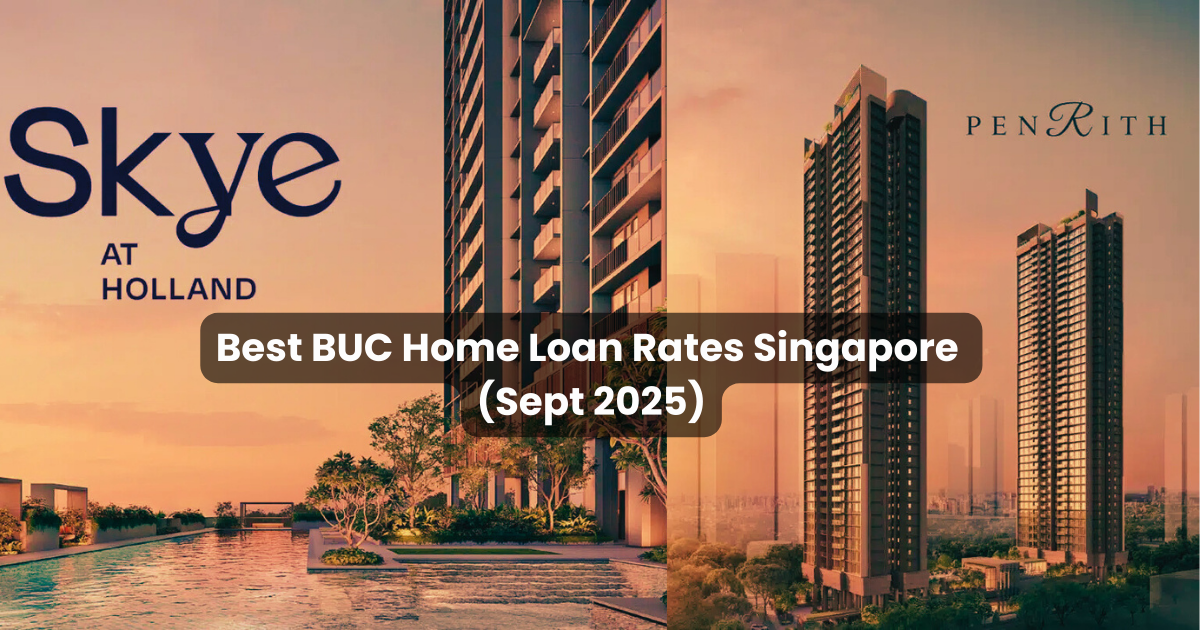
We provide expert BUC home loan comparisons, discover the best BUC loan interest rates across major banks like DBS, UOB, Standard Chartered, Maybank, Citibank, HSBC, CIMB Bank and OCBC.
Deciding between Joint Tenancy and Tenancy in Common is one of the most important choices when buying property in Singapore. The manner of holding affects not only ownership shares but also how the property is passed on through wills, the Intestate Succession Act, or the right of survivorship. This guide explains the key differences, including the popular 99/1 Tenancy in Common structure used in decoupling
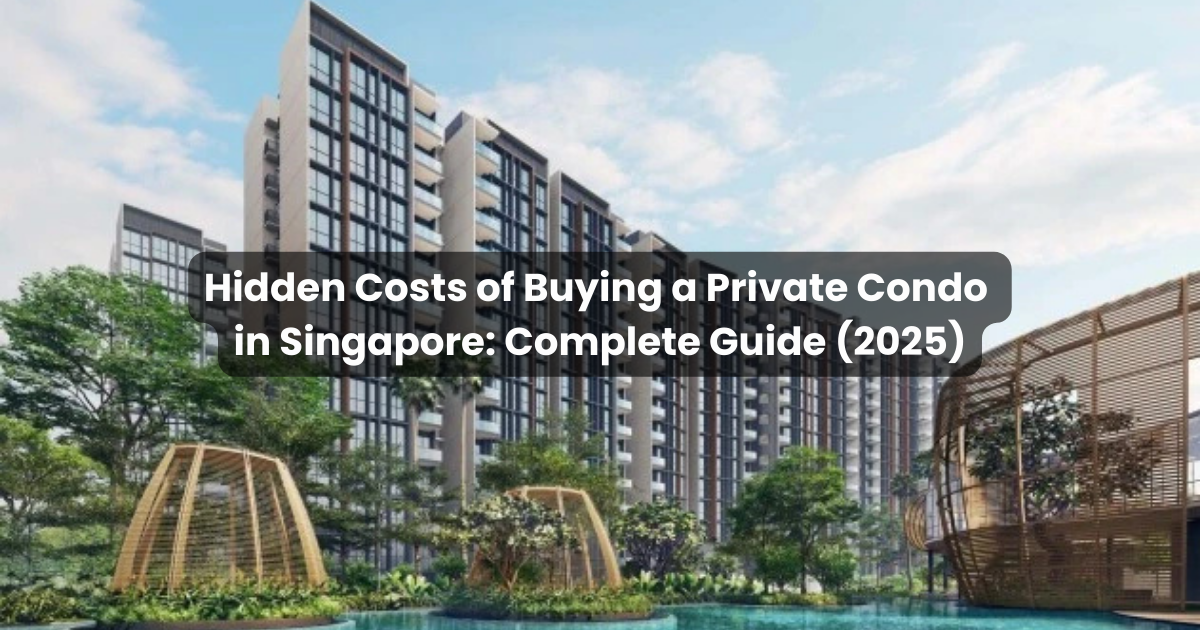
Discover all the hidden fees when buying a private condo in Singapore, from stamp duties to maintenance, taxes, and renovation. Updated for 2025.
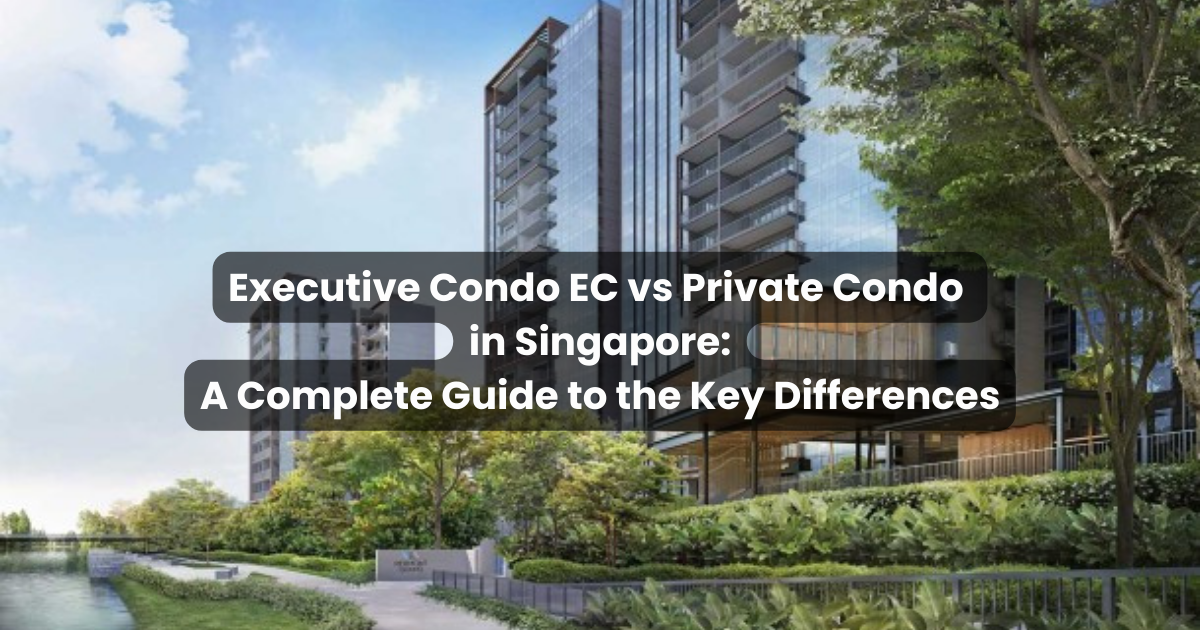
While both offer modern facilities and lifestyle perks, they differ in crucial areas such as pricing, grants, eligibility, and financing rules like MSR and TDSR. ECs provide subsidies and long-term appreciation potential but come with restrictions such as a 5-year MOP and limited launches. Private condos, on the other hand, offer full flexibility, immediate resale options, and wider availability.
With Daily SORA dipping below 1% in Sept 2025, Singapore homebuyers face a key choice: lock in historic low fixed rates from 1.65%–1.75%, or ride SORA packages where they can enjoy at 1.3%–1.5% potentially. Beyond rates, features like penalty waivers, partial prepayments, and free conversions after one year make the right mortgage strategy more important than ever.
The Mortgage Servicing Ratio (MSR) limits monthly housing instalments to 30% of gross income for HDB and new EC buyers, while the Total Debt Servicing Ratio (TDSR) caps total monthly debt repayments at 55% for all property types. These measures safeguard affordability, curb speculation, and protect households from over-borrowing

Property decoupling in Singapore can be a legitimate strategy, but it involves legal, tax, and financing implications. Learn when decoupling is allowed, common pitfalls, stamp duties, costs, and how to plan safely before proceeding.
Selling a property within a mortgage lock in period can trigger penalties, clawback clauses, or timing restrictions. Understanding lock in terms, sale waivers, notice periods, and interest reset dates helps homeowners plan early, avoid unexpected costs, and manage their mortgage settlement smoothly when selling ahead of schedule.

A rare city-fringe HDB BTO at Lakeview is launching in June 2026. Discover why this mature Upper Thomson location is likely Prime, what prices may look like, and how buyers should plan early for this highly anticipated project.
EC and HDB loans are often lower than private property loans due to stricter affordability rules such as the Mortgage Servicing Ratio. Using the same income and debt profile, public housing faces tighter caps, while private property loans are assessed more flexibly under TDSR.