
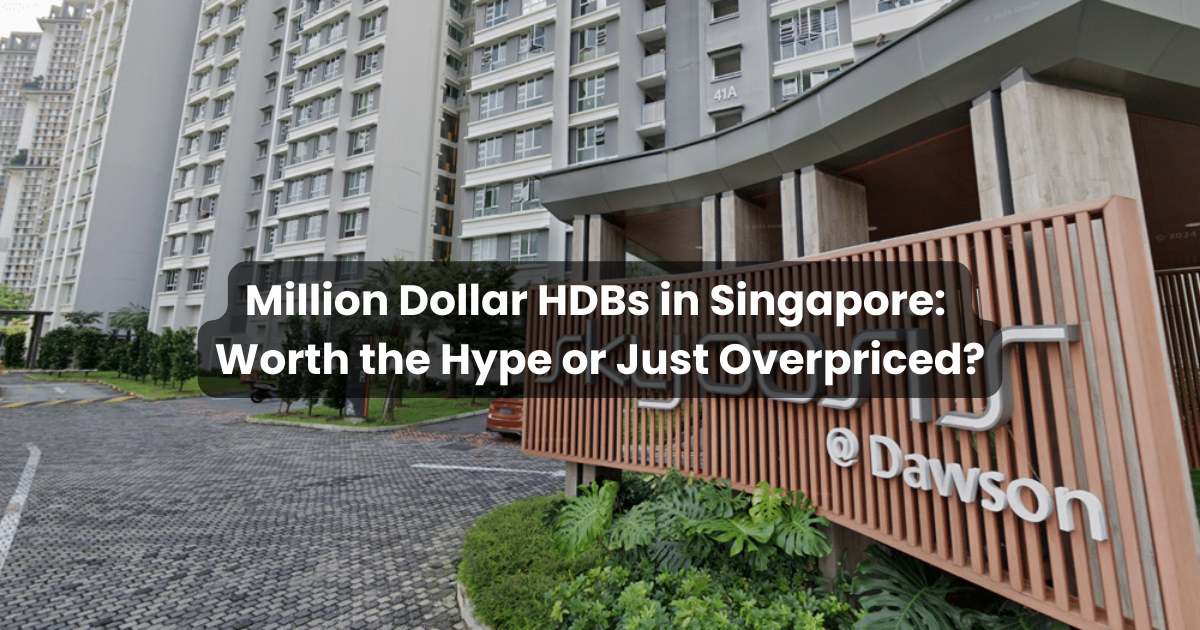
Flats in mature estates such as Bishan, Queenstown, and Toa Payoh often command premium prices due to their prime locations, strong connectivity, and proximity to top schools and amenities. Rare unit types like jumbo flats, executive maisonettes, and DBSS units add further scarcity value. With rising household incomes and a desire for larger living spaces, demand for such homes has surged.

Buying a Building-Under-Construction property in Singapore in 2025 presents exciting potential, especially as compounded SORA rates slip to near 1.5%, with Year-1 spreads beginning at SORA + 0%. This guide walks you through how BUC loans are disbursed, why CSC timing matters, whether you intend to stay long term, refinance, or sell before TOP
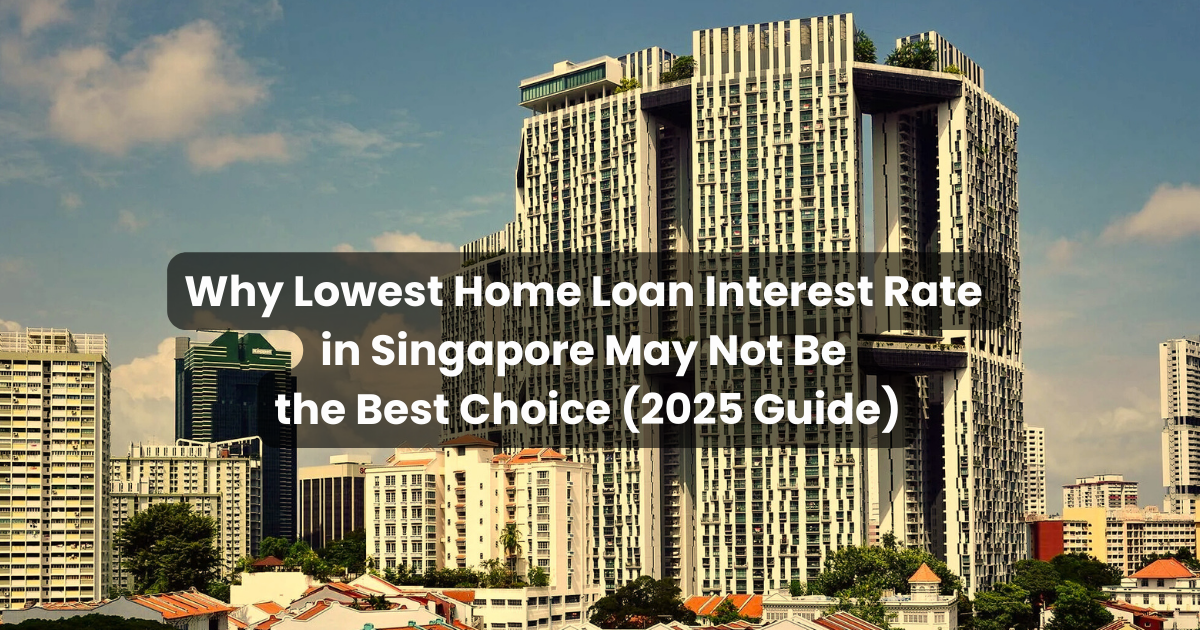
Many Singaporeans chase the lowest home loan interest rate, but in 2025 the cheapest option isn’t always the best. Lock-in periods, floating rate risks, hidden fees, and flexibility matter just as much as the headline rate. Learn why choosing wisely between bank fixed, SORA floating, or HDB loans can save you more in the long run.

In short, choose fixed if you value peace of mind. Choose SORA if you want to ride the market downward. SORA (Singapore Overnight Rate Average) is fast becoming the dominant benchmark for floating-rate home loans in Singapore. It is grounded in actual overnight interbank lending volumes, making it more transparent and stable. With global interest rates easing, SORA is flexing its potential as a smarter, fairer benchmark
Discover how increased HDB grants influence Singapore’s resale housing prices in 2025, balancing affordability, demand, and long-term policy goals.
Choosing between a bank loan and an HDB concessionary loan for financing your HDB flat involves more than just the interest rate. It’s about comparing stability, flexibility, long-term cost, and how each suits your financial readiness and risk appetite.
Although public housing remains emblematic of Singapore’s success in affordable homeownership, escalating resale prices and regulatory shifts have tightened the path.
Should you use CPF or cash for your monthly home loan? Learn the pros, cons, and strategies to maximise retirement savings and cash flow in Singapore.

Each path differs in complexity, timing, and financial implications, especially for smaller loans or projects under construction. Understanding which option serves you best can save time, money, and hassle.

These mechanisms allow borrowers to demonstrate additional financial capacity and meet loan eligibility, but their nuances are critical to understand. Here’s your comprehensive guide.

Buyer Stamp Duty and Additional Buyer Stamp Duty form a significant part of property purchase costs in Singapore. Understanding how stamp duties are computed, who pays what, when payment is due, and the risks of improper structuring helps buyers avoid costly mistakes and plan their property purchase more confidently in 2026.
A bank rejection does not always mean you are ineligible for a home loan. Income structure, debt ratios, credit profile, and bank-specific policies all matter. Understanding these factors and securing an IPA early can significantly improve approval chances.
Self-employed individuals can still secure a home loan in Singapore by understanding how banks assess income. From NOA and CPF-paid salaries to show funds and pledge funds, proper planning and structuring can significantly improve loan approval chances.
Before applying for the February 2026 BTO, do an In-Principle Approval (IPA) with Fairloan to understand your loan affordability and review the latest mortgage rates. Comparing current fixed and floating packages early helps you plan confidently and avoid relying on outdated assumptions.