
Adding parents as co-borrowers can increase your mortgage loan eligibility — but it may trigger ABSD or CPF restrictions if they’re co-owners. Fairloan explains how to structure ownership and borrowing smartly to maximise approval while avoiding unnecessary taxes.
Singapore Permanent Residents can buy only resale HDB flats, not BTOs, and must use bank financing. Both applicants must be PRs for at least three years. Fairloan explains eligibility, financing options, and how PRs can plan smartly for home ownership in Singapore.
HDB often approves higher loan amounts because it uses a lower stress-test rate than banks’ 4%. While both now cap at 75% LTV, HDB loans let you use CPF for the full downpayment, offering stability versus fluctuating bank rates.
The HDB loan rate stays at 2.6% because it’s pegged 0.1% above the CPF Ordinary Account rate. While stable, not everyone qualifies. With banks now offering fixed packages around 1.88%, some borrowers may benefit more from a well-timed bank loan strategy.
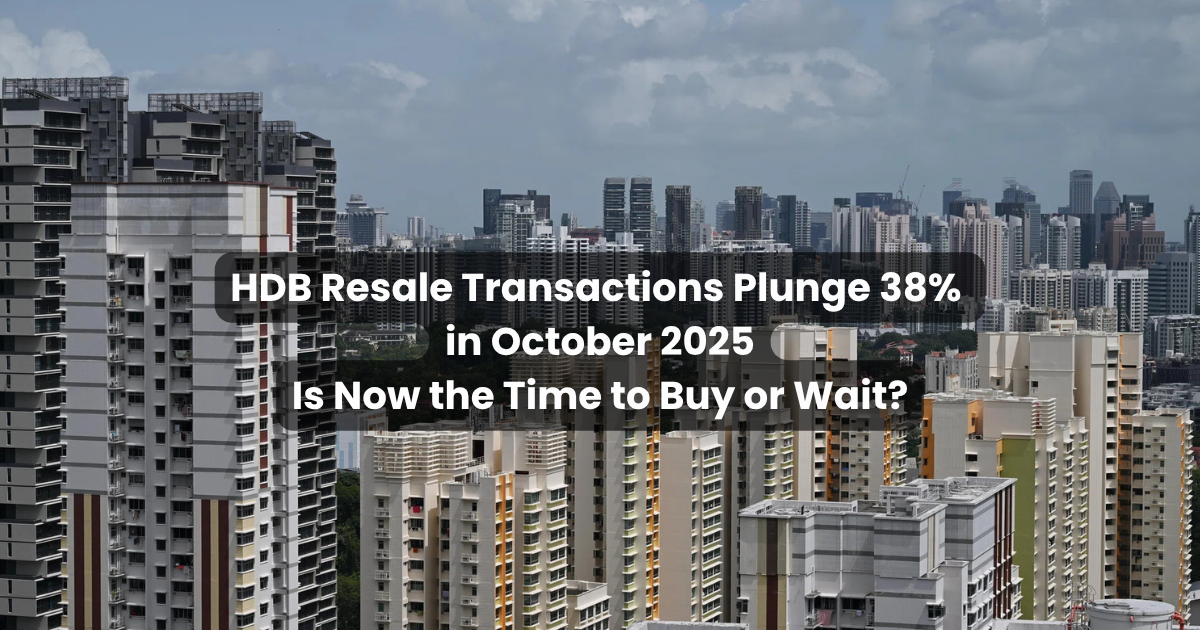
HDB resale transactions plunged 38% in October 2025 — the lowest since 2020. While volumes dipped, prices only softened slightly. Fairloan analyses whether this signals a buying opportunity amid rate cuts and new launches, and how sellers should position in a cautious market.
CPF savings can ease your property purchase, but strict limits apply. Once you reach the Withdrawal Limit, future home loan payments must be made in cash. Understanding these limits early helps you plan wisely for HDB or private property financing.

When buying property in Singapore, choosing joint tenancy or tenancy-in-common matters more than many realise. It determines how ownership passes on if one owner dies, how family inheritance works, and whether your loved ones remain protected — especially when paired with proper mortgage insurance and estate planning.
The “6–7” May be crowned Word of the Year. But 6-7 is also important for home owners as we expect the US feds to cut rates .While catchy, its real impact lies in how it shapes SORA and Singapore mortgage rates. Understanding this trend helps homeowners plan smarter refinancing and borrowing decisions through 2025–2027.
At Fairloan, our view is clear: enjoy today’s low rates, whether floating or fixed, and stay flexible. Through 2026, costs should remain stable. The key move comes end-2026 to early-2027 when borrowers should consider locking a longer fixed term such as 3-5years for protection and certainty beyond 2027.
SORA replaced older benchmarks like SIBOR and SOR as part of Singapore’s shift toward transparent, transaction-based interest rates. Backed by MAS and grounded in real market data, SORA offers greater stability, fairness and clarity for borrowers choosing modern floating-rate home loans.

Rising US–Iran tensions have pushed oil prices toward US$100, increasing inflation risks and delaying rate cuts. In Singapore, banks are already raising fixed mortgage rates. With signs of a shifting rate cycle, homeowners should consider fixed rates with flexibility to manage future uncertainty
Learn how EC bridging loans help HDB upgraders manage cashflow gaps when CPF and sale proceeds are not yet available. Understand NPS vs DPS, resale levy impact, and how banks calculate your maximum bridging loan eligibility for a smooth upgrade.
The HDB 15-month wait-out period requires private property owners to wait before buying a resale flat after selling. However, seniors aged 55 and above are exempt if purchasing a 4-room or smaller flat, supporting retirement right-sizing needs.

When buying a resale HDB flat, buyers must comply with the Ethnic Integration Policy (EIP) and SPR quota set by HDB. These rules ensure a balanced ethnic mix in estates and limit the number of SPR households in each block and neighbourhood.