

Rising US–Iran tensions have pushed oil prices toward US$100, increasing inflation risks and delaying rate cuts. In Singapore, banks are already raising fixed mortgage rates. With signs of a shifting rate cycle, homeowners should consider fixed rates with flexibility to manage future uncertainty
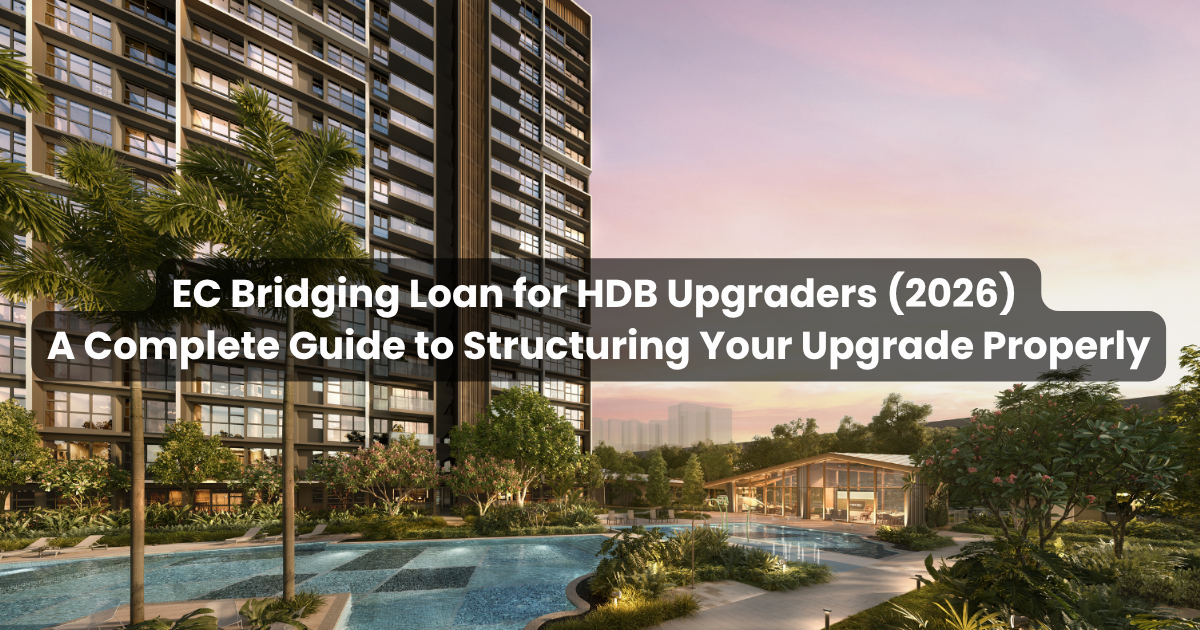
Learn how EC bridging loans help HDB upgraders manage cashflow gaps when CPF and sale proceeds are not yet available. Understand NPS vs DPS, resale levy impact, and how banks calculate your maximum bridging loan eligibility for a smooth upgrade.
The HDB 15-month wait-out period requires private property owners to wait before buying a resale flat after selling. However, seniors aged 55 and above are exempt if purchasing a 4-room or smaller flat, supporting retirement right-sizing needs.

When buying a resale HDB flat, buyers must comply with the Ethnic Integration Policy (EIP) and SPR quota set by HDB. These rules ensure a balanced ethnic mix in estates and limit the number of SPR households in each block and neighbourhood.

HDB enforces strict rental rules to ensure public housing remains primarily for owner-occupation, prevent property speculation, maintain stable residential communities and avoid overcrowding. These regulations help preserve affordability, safety and the long-term sustainability of Singapore’s public housing system.
The HDB Flat Eligibility (HFE) letter confirms your eligibility to buy a flat, receive CPF housing grants and take up an HDB or bank loan. Apply via the HDB Flat Portal using Singpass. Approval takes about one month and remains valid for nine months.
Buying a resale HDB flat involves securing your HFE letter, confirming loan eligibility, negotiating price, managing valuation risk, exercising the OTP, engaging conveyancing and completing HDB approval. While agents are optional, proper financial structuring and oversight are essential to avoid costly mistakes
HDB housing grants can reduce your flat price by tens of thousands of dollars. Learn which grants apply to couples, families, seniors, and singles for BTO and resale flats, how income affects amounts, and how to plan strategically.

Property decoupling in Singapore can be a legitimate strategy, but it involves legal, tax, and financing implications. Learn when decoupling is allowed, common pitfalls, stamp duties, costs, and how to plan safely before proceeding.
Selling a property within a mortgage lock in period can trigger penalties, clawback clauses, or timing restrictions. Understanding lock in terms, sale waivers, notice periods, and interest reset dates helps homeowners plan early, avoid unexpected costs, and manage their mortgage settlement smoothly when selling ahead of schedule.
Singapore mortgage rates are beginning to rise as both local and foreign banks increase fixed-rate packages. With SORA volatility increasing and global uncertainties mounting, homeowners may want to review their refinancing options sooner rather than later.
Learn how much CPF you can use for your housing downpayment and monthly mortgage repayments in Singapore, including HDB and private property rules, LTV limits, withdrawal limits, lease restrictions, and important CPF usage considerations for older resale flats.
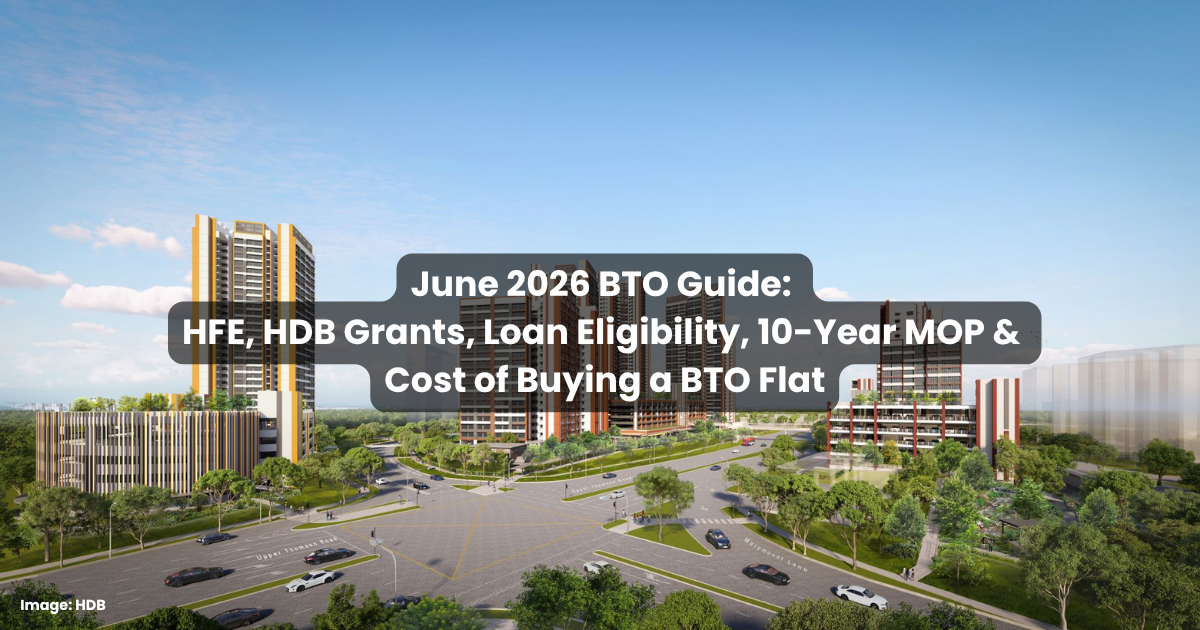
June 2026 BTO buyers must understand HFE applications, CPF grants, loan eligibility, 10-year MOP rules, resale levy implications, and financing options before committing to a new HDB flat purchase in Singapore.

Singapore’s new EC scheme changes in 2026 will reshape buyer demand, home loan affordability and future property prices. Here is a deep analysis of the new rules and their long term market implications.