
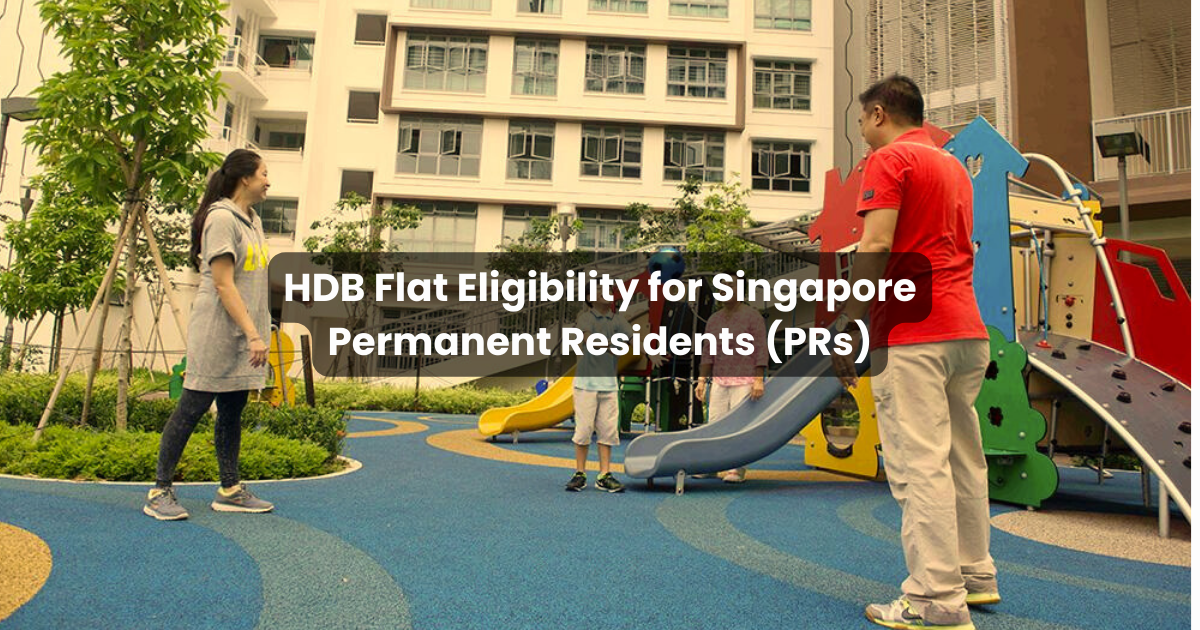
Singapore Permanent Residents can buy only resale HDB flats, not BTOs, and must use bank financing. Both applicants must be PRs for at least three years. Fairloan explains eligibility, financing options, and how PRs can plan smartly for home ownership in Singapore.
HDB often approves higher loan amounts because it uses a lower stress-test rate than banks’ 4%. While both now cap at 75% LTV, HDB loans let you use CPF for the full downpayment, offering stability versus fluctuating bank rates.
The HDB loan rate stays at 2.6% because it’s pegged 0.1% above the CPF Ordinary Account rate. While stable, not everyone qualifies. With banks now offering fixed packages around 1.88%, some borrowers may benefit more from a well-timed bank loan strategy.
HDB resale transactions plunged 38% in October 2025 — the lowest since 2020. While volumes dipped, prices only softened slightly. Fairloan analyses whether this signals a buying opportunity amid rate cuts and new launches, and how sellers should position in a cautious market.
CPF savings can ease your property purchase, but strict limits apply. Once you reach the Withdrawal Limit, future home loan payments must be made in cash. Understanding these limits early helps you plan wisely for HDB or private property financing.

When buying property in Singapore, choosing joint tenancy or tenancy-in-common matters more than many realise. It determines how ownership passes on if one owner dies, how family inheritance works, and whether your loved ones remain protected — especially when paired with proper mortgage insurance and estate planning.
The “6–7” May be crowned Word of the Year. But 6-7 is also important for home owners as we expect the US feds to cut rates .While catchy, its real impact lies in how it shapes SORA and Singapore mortgage rates. Understanding this trend helps homeowners plan smarter refinancing and borrowing decisions through 2025–2027.
At Fairloan, our view is clear: enjoy today’s low rates, whether floating or fixed, and stay flexible. Through 2026, costs should remain stable. The key move comes end-2026 to early-2027 when borrowers should consider locking a longer fixed term such as 3-5years for protection and certainty beyond 2027.
SORA replaced older benchmarks like SIBOR and SOR as part of Singapore’s shift toward transparent, transaction-based interest rates. Backed by MAS and grounded in real market data, SORA offers greater stability, fairness and clarity for borrowers choosing modern floating-rate home loans.

With the strong Singapore dollar and low Japanese interest rates, more Singaporeans are exploring Japan property as an investment. While the appeal is clear, factors like currency risk, regulations and rental demand must be carefully evaluated to determine long-term value and suitability.
Understanding your maximum home loan in Singapore depends on the 4% stress test, MSR, TDSR and how banks assess your income and liabilities. Whether buying HDB or private property, this guide explains how loan limits are calculated and how strategies like pledged funds can help increase your eligibility.

Choosing the best home loan in Singapore for 2026 depends on your budget, risk appetite and long-term plans. With fixed rates from 1.30% and floating SORA options stabilising, this guide helps BTO and resale buyers compare bank loans, understand market trends and secure the most affordable package.
Choosing between a fixed or floating home loan in 2026 depends on your risk appetite. With rates stabilising around 1.3%–1.5%, fixed packages offer long-term certainty while floating SORA plans suit borrowers expecting slight rate dips.
The final interest rate cut from the US Federal Reserve in December 2025 has sparked a familiar question among Singapore homeowners: Will SORA continue to fall in 2026, and should borrowers switch to fixed, floating, or hybrid home loans now?